Short answer: A commercial snow contract should state the trigger depth that starts service, who measures it, which surfaces are cleared and in what order, where snow gets piled or whether it's hauled off, whether salt or ice melt is included or billed separately, how the work is priced (seasonal, per event, or hourly), and what is not included. If those items are vague, expect arguments in January.
What is a trigger depth, and who measures it?
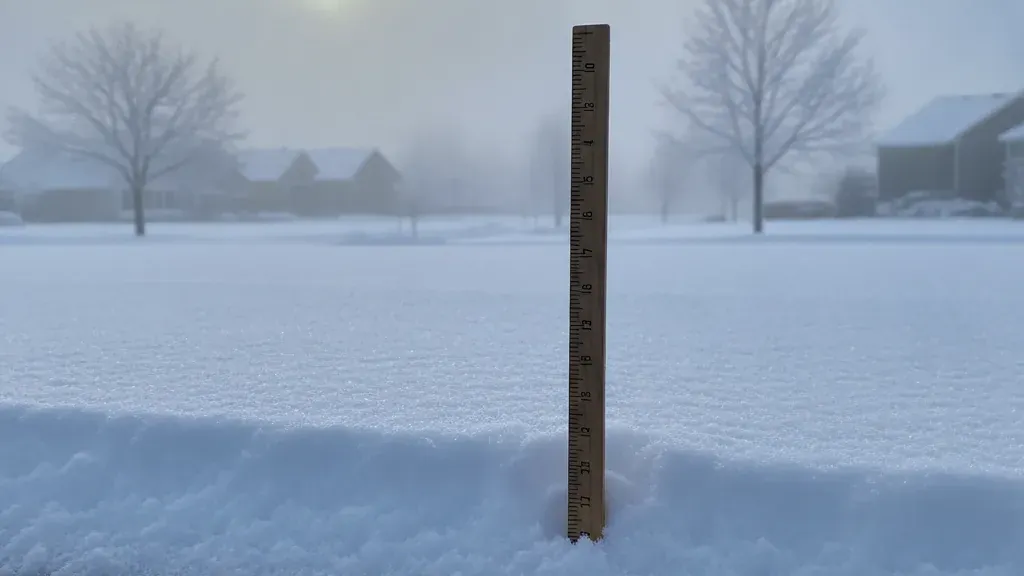
The trigger depth is the amount of snowfall that starts service. A contract might say service begins once a certain number of inches accumulates. Below that, the contractor may not plow at all, or may only salt.
Trigger depth matters because it controls both cost and risk. A low trigger means more visits and a cleaner lot. A high trigger means fewer visits but more time when customers and employees walk across snow.
Ask how depth is measured. Is it based on a reading at the property, a nearby weather report, or the crew's call on arrival? Drifting makes the answer matter: one corner of a lot can have twice the snow of another. The contract should name the method so nobody disputes whether service was owed.
Also ask whether the trigger applies to plowing only, or whether salting can be triggered separately by ice, freezing rain, or refreezing meltwater when there's little accumulation.
Which surfaces should the contract name?
"Clear the lot" isn't a scope. A property manager should list:
- Parking areas and drive lanes, including any sections that can wait.
- Entrances and exits to public roads.
- Sidewalks and walkways to the building, and whether they're shoveled, plowed, or both.
- Entry doors, stoops, and steps.
- Fire lanes and loading docks, if they need to stay open.
- Dumpster pads and service access.
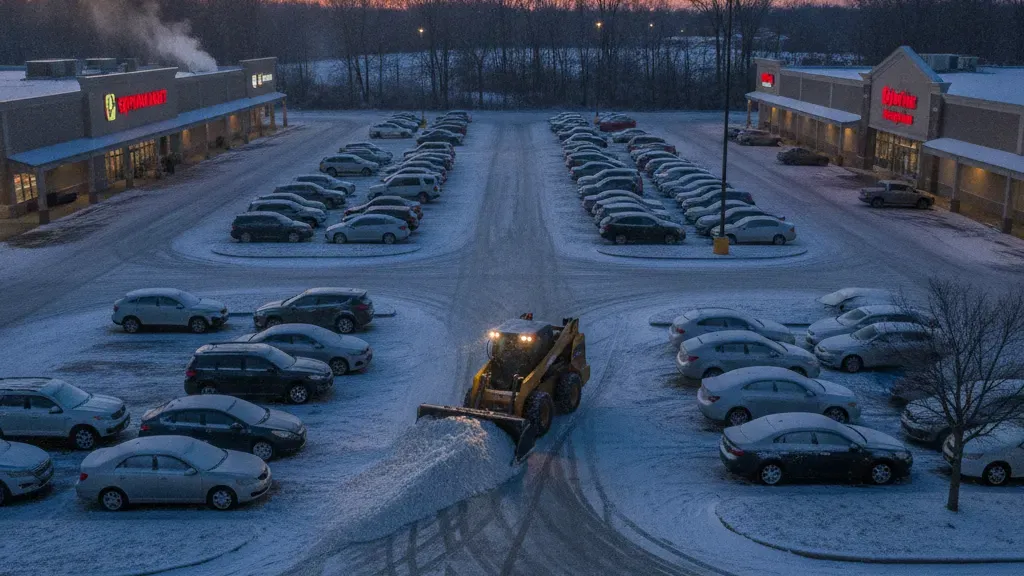
The contract should also give the order. Most businesses need entrances and main drive lanes open first, then walks and doors, then the rest. If the business opens at a set hour, put that time in writing so the crew can plan routes around it.
Piles vs. haul-off
Plowed snow has to go somewhere. The contract should say where:
- Designated pile areas. Mark them on a site map. Piles in the wrong place block parking spaces, sight lines at exits, and storm drains, and they melt and refreeze across walkways.
- Relocating or hauling snow. After a big storm, piles can grow until they eat into parking. Moving them or hauling them off-site is a separate, heavier job. The contract should say whether it's included, billed separately, or available on request.
If a property has very little room for piles, raise it before the season. That changes equipment and pricing.
Salt and ice melt: included or separate?
Don't assume salting is part of plowing. The contract should say:
- Whether salt or ice melt is applied after every plow, only when needed, or only on request.
- Which surfaces get treated: lots, walks, steps, or all of them.
- How it's billed: per application, per bag or ton, or built into a seasonal price.
- Whether treatment happens for ice events without snowfall.
If there are areas where salt should be limited, such as new concrete, decorative pavers, or landscaped islands, note them on the site map.
Seasonal, per-event, or hourly pricing
There are three common ways commercial snow work is structured:
- Seasonal contracts charge a set price for the winter regardless of how many storms hit. Budgets are predictable, and the contractor takes on the weather risk.
- Per-event or per-push pricing charges each time service is performed. A light winter costs less, a heavy one costs more.
- Hourly pricing bills for equipment and labor time on site. It's common for irregular properties or extra work like pile relocation.
Ask how a long storm is counted. Is a two-day storm one event or several pushes? Are return visits for drifting billed separately? Lawn Busterz publishes its own residential, seasonal, and commercial hourly snow ranges in its snow cost FAQ; those are starting points, and a site visit sets the actual quote.
Liability: what's not included
The most important part of a snow contract may be what it excludes. Read for:
- Surfaces not listed. Anything not named is likely not covered.
- Service between visits. Snow that falls or refreezes after the crew leaves is a common source of slip-and-fall disputes. The contract should be clear about response times and re-checks.
- Roof snow, canopy clearing, or interior mats. Usually not part of a lot contract unless spelled out.
- Damage from hidden obstacles. Curbs, wheel stops, and landscape edges buried under snow get hit. Mark them before winter.
- Insurance and documentation. Ask what records the contractor keeps of each visit, such as arrival time and services performed, and request proof of insurance.
Don't assume a contractor takes on liability for conditions it wasn't hired to treat. Make sure your own insurance and the contract fit together.
Why routes fill up before the first storm
Snow contractors build routes in the fall. Every property on a route needs to be reachable within a reasonable window after the trigger is hit. Once those routes are full, new properties may have to wait or go to a different crew. Property managers who wait for the first forecast often find fewer options.
Walk the site with the contractor before winter. Mark piles, obstacles, drains, and no-salt areas. Agree on opening times and priorities.
Getting a commercial snow quote
Lawn Busterz offers residential and commercial snow removal, including plowing, shoveling, salting, and storm contracts, with 24/7 response in winter. The crew serves Richmond, Lexington, Berea, Winchester, Nicholasville, Mount Sterling, Stanford, Danville, Lancaster, and surrounding Central Kentucky. To request a quote and a site walk before the season, call (859) 248-0576 or email hello@lawnbusterzky.com">hello@lawnbusterzky.com. Office hours are Mon to Sat, 7a to 7p.