In Central Kentucky, crabgrass pre-emergent usually goes down in late winter to early spring, before soil temperatures hold around 55°F and crabgrass starts to germinate. A common field cue is to apply before forsythia finishes blooming. There is also a fall window for winter weeds. The one firm rule: skip it where you plan to seed soon.
There is no single calendar date that works every year. A warm March can push soil temperatures up early; a cold, wet spring can delay them by weeks. This guide explains what pre-emergent actually does, how to read the timing cues, why it conflicts with fall seeding, how it differs from post-emergent, and what to ask before anyone treats your yard.
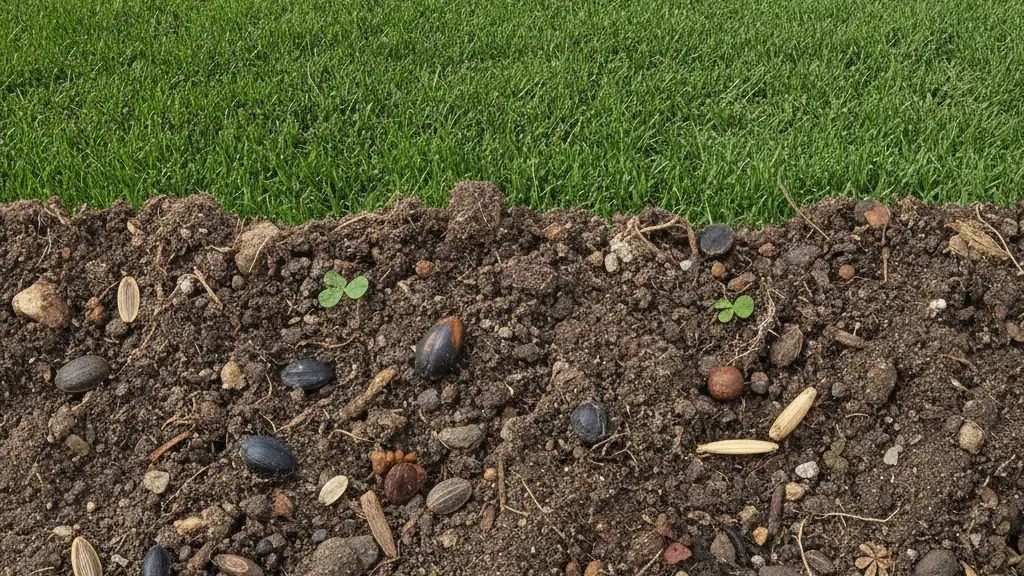
What pre-emergent does, in plain language
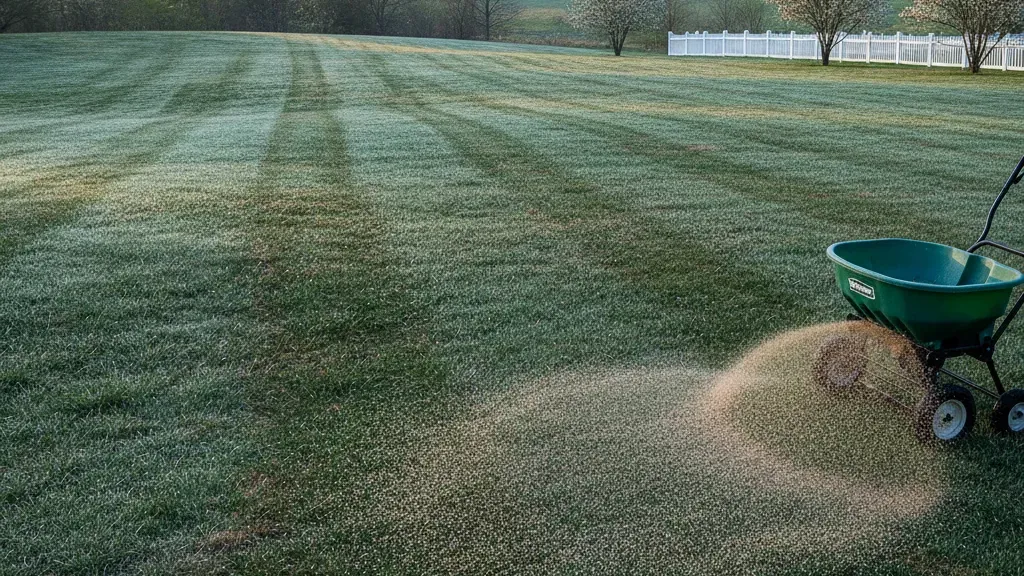
A pre-emergent herbicide forms a barrier in the top layer of soil that stops weed seeds from successfully sprouting and rooting. It does not kill weeds that are already growing. That is why timing is everything: put it down too late and the crabgrass has already come up; put it down too early and the barrier may weaken before the main germination flush is over.
On a typical Central Kentucky lawn of tall fescue or Kentucky bluegrass, the main target in spring is crabgrass and other summer annual grasses. In fall, the targets shift to winter annual weeds that sprout as the weather cools.
Spring timing: soil temperature, not the calendar
Crabgrass begins germinating when soil temperatures at shallow depth hold in the mid-50s Fahrenheit for several days in a row. In much of Central Kentucky that often lands somewhere from March into April, but it moves with the weather.
Useful cues:
- Soil temperature. A soil thermometer or a local soil temperature report is the most direct signal. Look for a sustained trend toward about 55°F, not a single warm afternoon.
- Forsythia. The yellow shrub blooms around the time soil warms. Many lawn pros aim to have pre-emergent down before forsythia drops its flowers.
- Rain to activate it. Most products need rainfall or irrigation to move into the soil. The label tells you how much and how soon.
Some programs split the spring application into two lighter rounds to stretch coverage into early summer. Whether that fits your lawn depends on the product and the label, which also sets the rate. This page does not publish rates.
The fall window
Late summer and fall bring a second germination wave of winter annual weeds, such as henbit, chickweed, and annual bluegrass. A fall pre-emergent can reduce them. The catch is that fall is also the best time to seed tall fescue in Central Kentucky. You usually cannot do both on the same patch of lawn in the same season, so decide which matters more for that area.
When not to put down pre-emergent
- Before seeding or overseeding. Most pre-emergents block grass seed as well as weed seed. If you plan to seed in fall, a late-summer pre-emergent on that area can wipe out the seeding. If you put one down in spring and want to seed later, the label lists how long to wait.
- On new seedlings. Many products are not labeled for young grass. Wait until the label says the new lawn is established.
- On a yard with a drainage problem. If water sheets across the lawn or pools in a low spot, product can move with it. Fix the water path first.
- Too late in spring. Once crabgrass is up, a pre-emergent will not touch it. At that point the conversation is post-emergent control.
A few products are labeled for use around seeding. That is a label-by-label question, not a general rule.
Pre-emergent vs post-emergent
Pre-emergent prevents weeds from establishing. It works before you see the problem.
Post-emergent treats weeds that are already growing, such as dandelion, clover, or crabgrass that broke through. It is the right tool when weeds are visible and the wrong tool when you are trying to prevent next month's flush. It also tends to work best on young, actively growing weeds, so waiting until midsummer can make it less effective and harder on stressed turf.
The Lawn Busterz homepage lists weed control as pre-emergent and post-emergent applications, described as yard-safe and pet-conscious. A walk-through and the product label set what is applied and when.
Lawn vs mulch beds
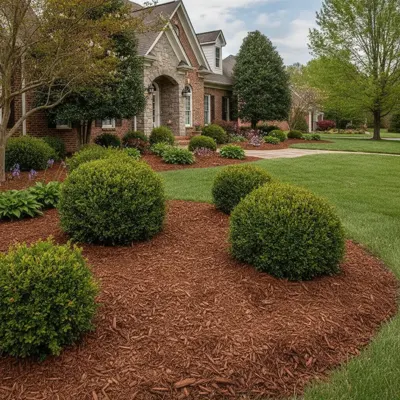
Beds are a different job. Many landscapers put a pre-emergent in mulch beds to cut down on weeds coming up through fresh mulch, but bed products and lawn products are not always the same, and bed timing often follows the mulch refresh rather than the lawn calendar. If you are planning new mulch, ask whether a bed pre-emergent is part of the plan, which product it is, and whether any new plants or seeded edges are nearby.
Questions to ask before any yard treatment
If pets or kids use the yard, ask these before the visit:
- What product will be applied, and is it going on the lawn, the beds, or both?
- What does the label say about reentry and watering in?
- Will it rain soon, and does that matter for this product?
- Is there any area I plan to seed in the next few months?
The answer to "when can the dog go back out" comes from the label of the product actually used. Do not rely on a generic wait time.
Central Kentucky soil and timing notes
Clay-heavy soils common in the region warm more slowly in spring and stay wet longer, which can delay crabgrass germination in shaded or low areas and speed it up on south-facing slopes and along hot driveways and sidewalks. Those warm edges are often where crabgrass shows up first. Watching the hot spots in your own yard is a good way to tune the timing.
Plan the season with Lawn Busterz
If you want weed control lined up with mowing, mulch beds, and any fall seeding plans, a walk-through is the place to start. Lawn Busterz serves Richmond, Lexington, Berea, Winchester, Nicholasville, Mount Sterling, Stanford, Danville, Lancaster, and surrounding Central Kentucky.
Call (859) 248-0576 or email hello@lawnbusterzky.com. Hours are Mon to Sat, 7a to 7p.